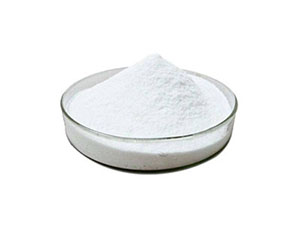
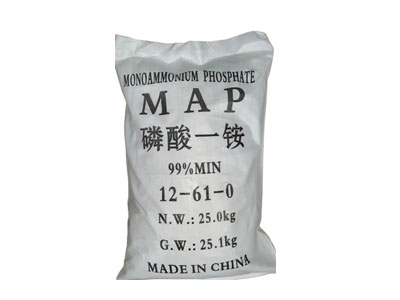
MAP
Chemical name: Mono Ammonium Phosphate
Specifications: 12-61-0
Use: Fertilizer
Origin: China
Contact us
- No.420 Zhonghua Road,Qinghuai District, Nanjing,China 210001
- 008618005174481
- Mr.Sam
- sales@nanjingchem.com

Product Introduction
MAP
Mono Ammonium Phosphate
Specifications: 12-61-0
Package: 25kg per bag
Origin: China
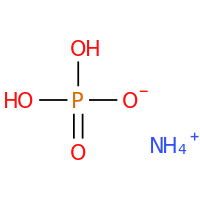
MAP (Ammonium dihydrogen phosphate), commonly known by its English abbreviation MAP in the industry, is a white crystalline or granular substance formed by the combination of ammonium ions and dihydrogen phosphate ions. Its widespread popularity in the agricultural sector stems from several key characteristics:
1. High-concentration nutrient composition: Ammonium dihydrogen phosphate (MAP) is rich in two essential macronutrients for crop growth—nitrogen and phosphorus. Nitrogen exists in the form of ammonium nitrogen, while phosphorus is present as highly water-soluble hydrogen phosphate. This high-concentration characteristic means that a given weight or volume of fertilizer can deliver more abundant available nutrients, reducing the physical burden of transportation, storage, and application.
2. Excellent Solubility and Rapid Availability: This product exhibits high solubility in water and can quickly dissolve into soil moisture. The released ammonium and phosphate ions are readily absorbed and utilized by crop roots, ensuring rapid nutrient supply. It is particularly suitable as a fast-acting nutrient source during the early growth stages or critical fertilization periods, meeting the needs of rapid crop development.
3. Stable Chemical Properties and Appropriate Acidity: MAP (Ammonium dihydrogen phosphate) exhibits relatively stable chemical properties. Its aqueous solution is slightly acidic, which helps locally adjust the soil’s pH environment after application. This characteristic is particularly beneficial in certain alkaline or calcareous soils, as it enhances phosphorus availability and reduces the risk of phosphorus fixation and inactivation.
4. Excellent Physical Properties: The granular MAP (ammonium dihydrogen phosphate) is produced through modern processes features uniform particle size, high hardness, and low hygroscopicity. These physical characteristics ensure the product remains free from caking and dust during storage and transportation, facilitating precise mechanical application—such as seed and fertilizer co-placement via seeders or side-deep fertilization equipment.